Last Updated October 29, 2026
If you’ve been hearing more about heat pumps lately you may be wondering if they actually make sense in Alberta. After all, a heating system that works in Vancouver doesn’t always sound like something you’d trust during a cold snap in Camrose.
The short answer is that a properly selected, sized and installed cold climate heat pump can handle most of an Alberta winter. It can also cool your home in summer and may lower your overall energy use. But most homes should still need to have a plan for backup heat during our coldest weather.
Let’s look at how heat pumps work, where they’re helpful, where they fall short and what homeowners should know about the new federal rebate coming in early 2027.
What is a heat pump and how does it work?
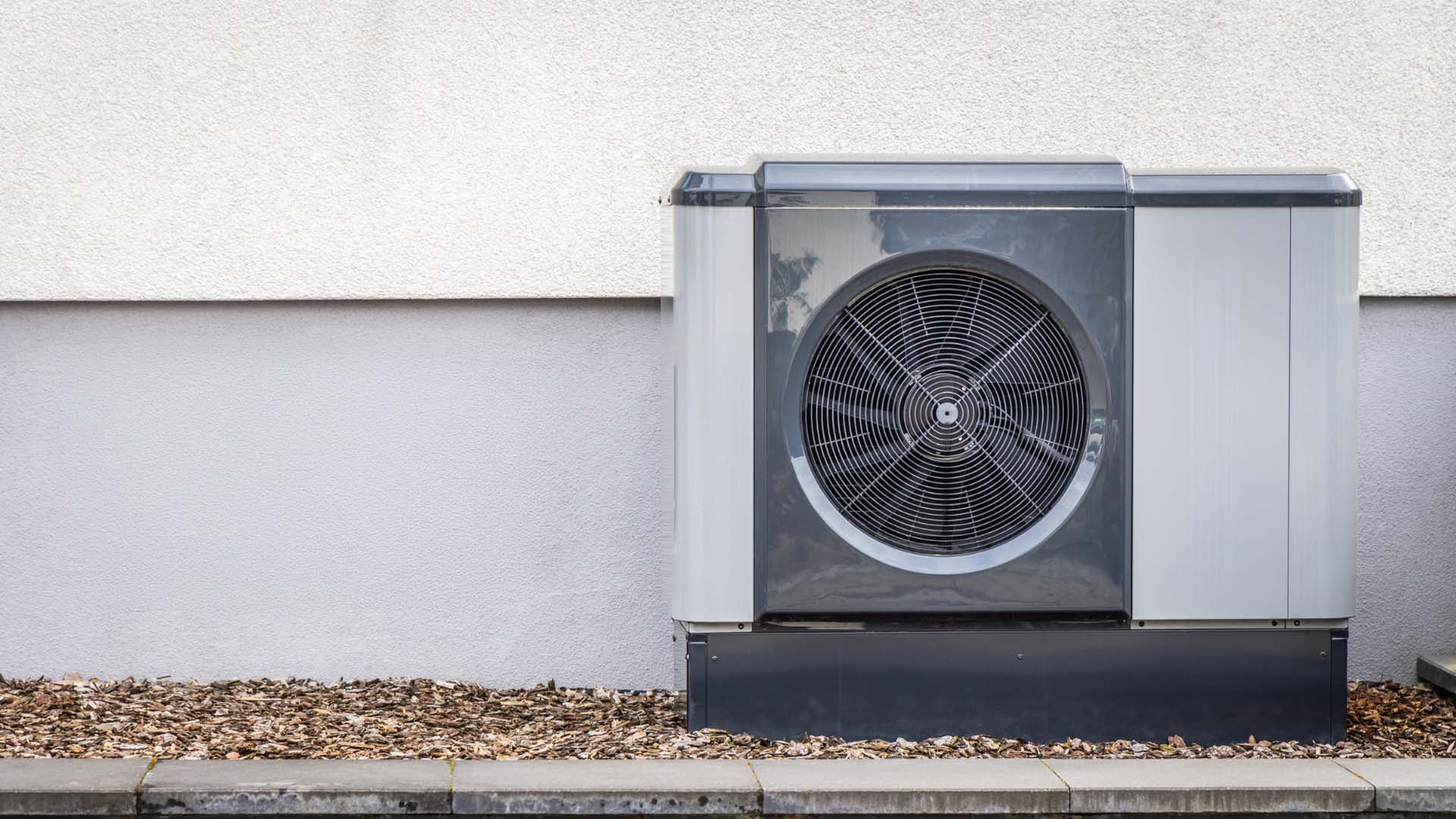
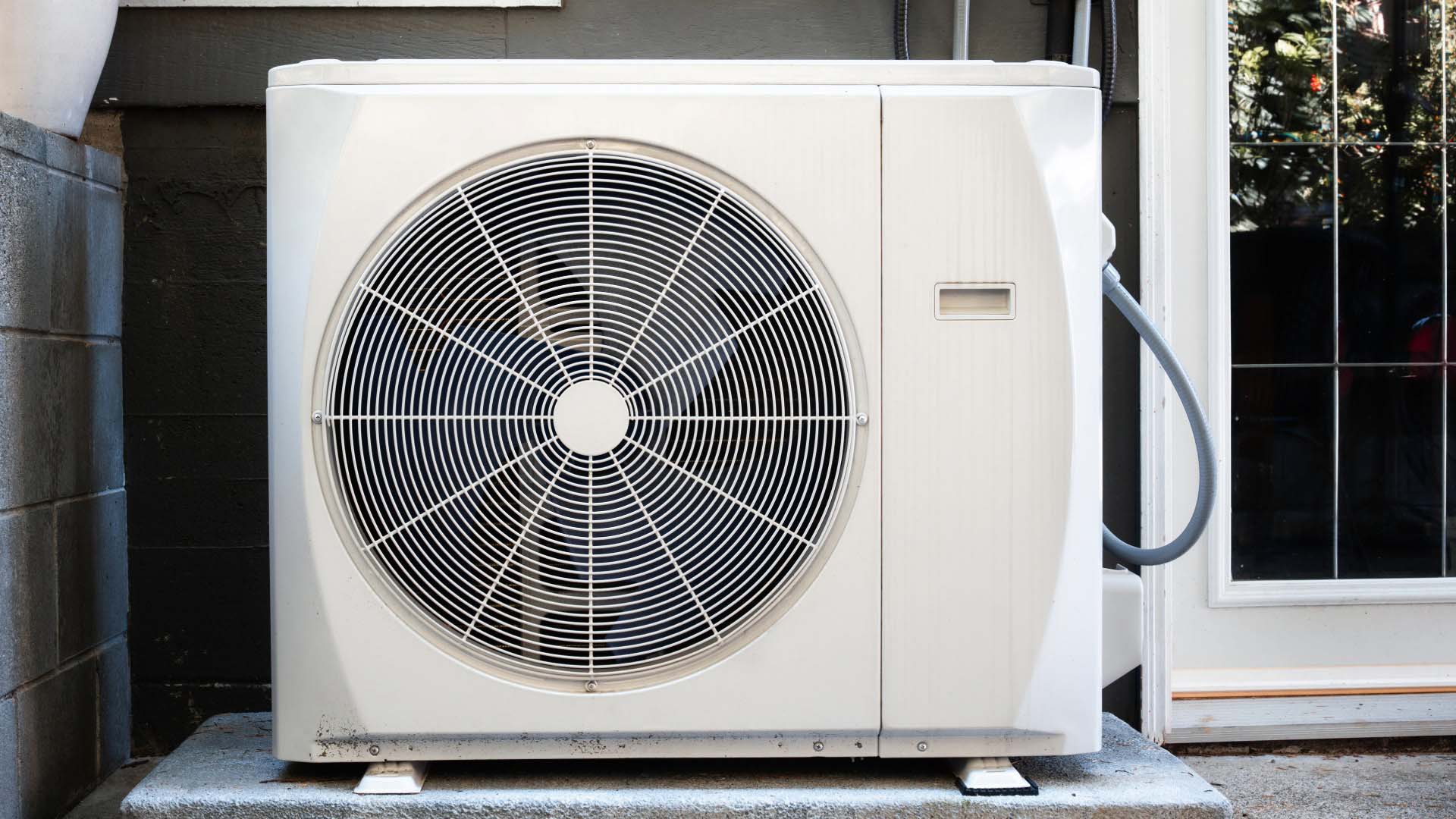
A heat pump is an electric heating and cooling system. Instead of burning fuel to make heat it moves heat from one place to another. That may sound strange when it’s freezing outside but cold outdoor air still contains heat. In winter the heat pump collects some of that heat, raises its temperature using a compressor and moves it into your home. In summer the process runs in reverse and moves heat out of your home much like an air conditioner.
A refrigerator works in a similar way. It moves heat from inside the fridge into your kitchen. A heat pump simply does this on a larger scale and it can move heat in either direction.
There are a few different types of heat pumps. Air source heat pumps collect heat from the outdoor air. Ground source systems collect it from the ground where temperatures stay more stable. For most existing Alberta homes a cold climate air source heat pump is the option people are most likely to consider.
Because a heat pump moves heat instead of creating all of it from electricity it can deliver more heat energy than the electrical energy it uses. Natural Resources Canada says cold climate models can heat a space up to 2.5 times more efficiently than electric furnaces or baseboard heaters. Put another way, under the right conditions a heat pump can move about 2.5 units of heat for every unit of electricity it uses.
The Pros and Cons of Heat Pumps
Why People Like Them.
One of the biggest benefits is that you get heating and air conditioning from the same system. That’s great in Alberta where a January cold snap and a July heat wave can both test your home’s heating and cooling equipment. Heat pumps also generally use much less energy than electric furnaces, electric baseboards or other heating methods but the savings will depend on your current heating, your electricity rate and how the new system is designed.
The federal government estimates that households switching from oil, propane or electric resistance heating could save more than $1,400 a year on average. That’s a broad national estimate though. It doesn’t mean every home will save that amount and it doesn’t promise the same savings for an Alberta home currently heated with natural gas.
Heat pumps can also provide steady, even heat. Ductless models can let you control separate areas of the home depending on how the system is designed. This can be useful in older houses or rooms that are always too hot or too cold.
What you need to consider.
The upfront cost can be higher than replacing a furnace with another furnace. Some homes may also need extra electrical work, updated wiring or a new panel. Those costs should be included when you compare quotes.
Heat pumps also become less efficient as the outdoor temperature drops. A unit may keep running at a very low temperature but still not produce enough heat to meet the home’s full heating load. That difference matters. “Operates at -30°C” doesn’t always mean “heats the whole house adequately by itself at -30°C.” Most households should have a backup heating plan to supplement the heat pump during extreme cold.
Installation quality is a also big deal. A unit that’s too small will rely on backup heat more often. A unit that’s too large may turn on and off too much during milder weather which can hurt comfort and efficiency. A qualified contractor should assess your home’s actual heating needs instead of choosing a system based only on square footage.
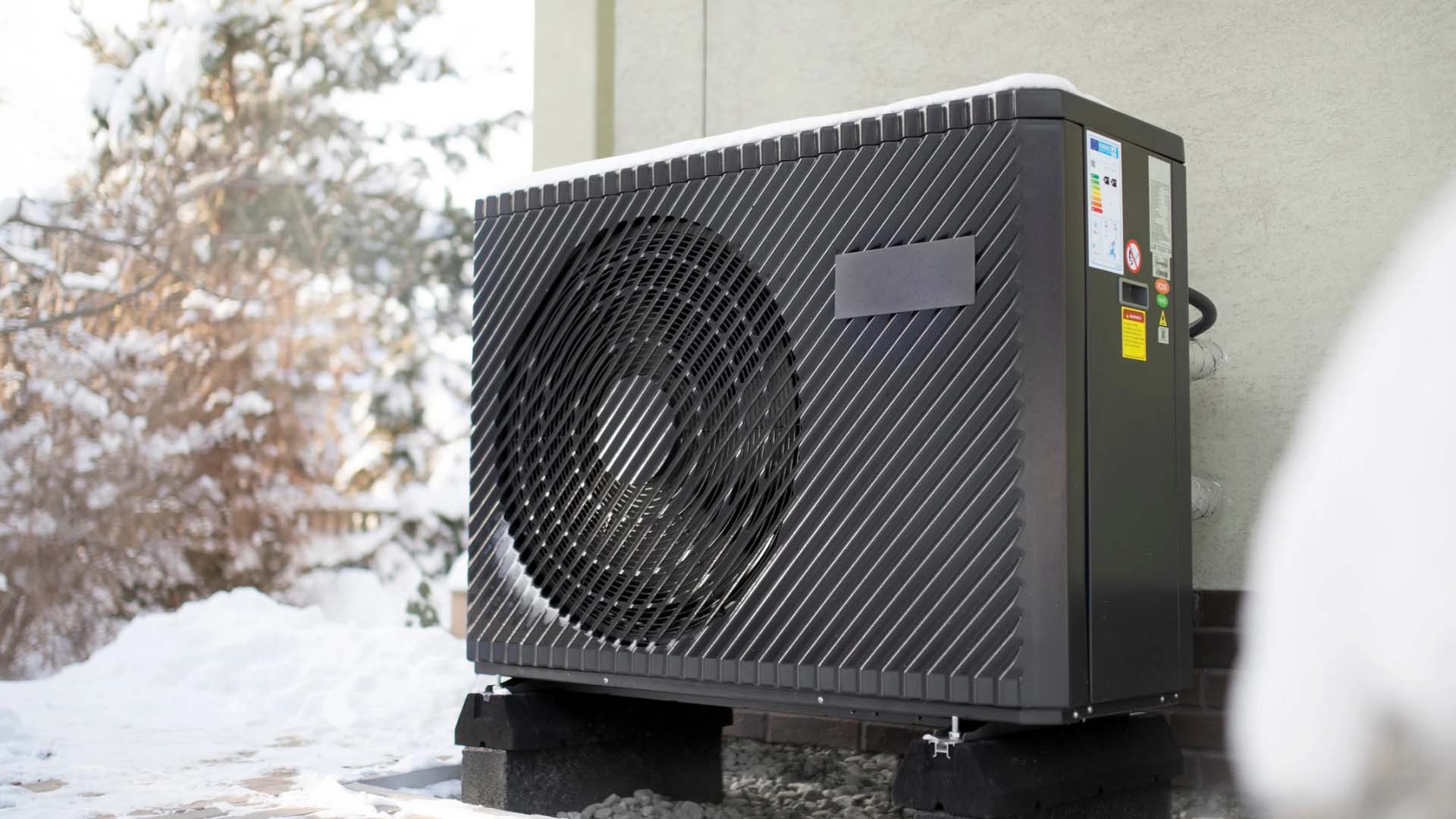
Can heat pumps handle Alberta Winters?
Yes. But the honest answer needs a little more context.
Modern cold climate air source heat pumps are designed for Canadian winters. Many models can operate at temperatures as low as -30°C. But the system’s heating capacity usually falls as the temperature gets colder and supplemental heat may be needed during extreme weather. Before buying ask the contractor how much heat the exact model can produce at -15°C, -25°C, and -30°C. Then ask how those numbers compare with your home’s calculated heating load at the same temperatures. That will tell you much more than the lowest operating temperature printed in a brochure.
Keeping an existing natural gas furnace is one option. This is often called a hybrid or dual-fuel system. The heat pump does most of the heating during milder weather and the furnace takes over when the outdoor temperature reaches a chosen point.
But it’s worth mentioning that backup heat doesn’t have to mean natural gas. A centrally ducted heat pump can be paired with an electric furnace or an electric resistance coil in the ductwork. Ductless systems can work alongside electric baseboard heaters, permanently installed electric wall heaters or another existing heating system.
A properly installed wood stove or wood-burning fireplace may also be part of a home’s cold-weather plan. Unlike an electric backup system wood heat normally needs someone there to start and manage the fire. It may provide heat during a power outage if the appliance doesn’t depend on electric fans but it comes with its own work and safety needs. Solid-fuel appliances require proper permits, installation, venting and chimney maintenance.
The backup system shouldn’t be treated as proof that the heat pump isn’t working. In many Alberta homes it may only be needed during the coldest part of the year although that will depend on the home and system design. The goal is to plan how the heat pump and backup system will work together.
Your home itself matters too. Air sealing, insulation, windows, ductwork and thermostat settings all affect how hard the heat pump has to work. Fixing major heat loss before choosing equipment may let you install a smaller system and use less backup heat.

Heat pumps and solar. Which should come first?
If you’re thinking about both a heat pump and solar panels we generally recommend going with the heat pump first.
Adding a heat pump can change your yearly electricity a lot. The exact increase will depend on a few different factors including your current heating system, the heat pump itself and how much backup heat you use.
That extra electricity use affects the size of the solar system that makes sense for your home. Under Alberta’s micro-generation rules a solar array is generally intended to meet some or all of the site’s annual electricity needs. Future loads may be considered but the homeowner may need to provide evidence that the increase will actually happen.
Installing the heat pump first and collecting a full year of electricity use gives a solar installer better information. They can see what the home really uses throughout the year and design the system accordingly. You don’t always have to wait a full year. If the heat pump and solar projects are happening close together an experienced installer may be able to estimate the new load.
It’s also good to remember that solar production and heat pump use happen at different times. Your panels will produce most of their electricity during Alberta’s long summer days while your heat pump will use the most electricity during winter. Solar can help offset that use over the year but your home will still rely on the grid when the panels aren’t producing enough power. If you do have solar a seasonal rate plan like The Solar Club® can really help you get the most out of the heat pump savings.
A sensible order for many homes is to deal with major insulation or air-leak problems, install the heat pump, measure or carefully estimate the new electricity use and then size the solar array. That helps you avoid installing a solar system based on electricity use that’s about to change.
What do we know about the new National Heat Pump Rebate?
On October 8, 2026 the Government of Canada announced a new National Heat Pump Rebate. The program is scheduled to open through an online portal in early 2027 and is meant to help up to 820,000 households install eligible electric cold climate air source heat pumps.
As announced eligible low-to-median-income households may receive up to $10,000. Other eligible households may receive $2,000. The federal government has said these rebates may be combined with existing provincial programs where another qualifying program is available. Eligible heat pumps will need to appear on the program’s approved product list. The government has also said that no pre-installation or post-installation energy audit will be required.
The application portal isn’t open yet but the government has confirmed that the rebate will be retroactive to November 1, 2026. This means households that meet the final eligibility rules and install an eligible heat pump on or after November 1 will be able to apply once the program opens in early 2027.
The government says more information about the rebate including income requirements and eligible equipment will be released starting November 1, 2026. Homeowners should check the official requirements carefully and confirm that their exact equipment and installation qualify.
Once the program is live the government plans to communicate eligibility decisions within 24 hours. The official National Heat Pump Rebate page has the latest information and an option to sign up for updates.
So is a heat pump right for your Alberta home?
A heat pump can be a good fit in Alberta but it isn’t a one-size-fits-all answer. The best results come from choosing a cold climate model, having the home’s heating load properly calculated and planning a reliable source of backup heat. The financial side also needs an honest look. Switching from electric baseboards, oil or propane may offer clear savings. Switching from an efficient natural gas furnace can be a closer comparison once electricity prices, gas prices, equipment costs and backup heat are included.
If solar is also part of your plan think about the heat pump first. Once you understand your new electricity use you’ll be in a much better position to choose a solar array that fits your home.
A qualified HVAC contractor should handle the heat-loss calculation, equipment selection and heat pump installation. Camrose Energy can help you understand the electricity and solar side of the decision including how changing your electricity use may affect a future solar system. If you’re planning a heat pump, solar or both give our local Camrose team a call at 780-781-4115. We love to talk solar and we’ll give you a straight answer when you have questions.
Common Heat Pump Questions
Do heat pumps work when it’s -30°C?
Some cold climate heat pumps can operate at temperatures as low as -30°C but their heating capacity may be lower at that temperature so the home may still need supplemental heat.
Does a heat pump still need a natural gas furnace as a backup?
No. Backup heat can come from an electric duct heater, electric furnace, baseboards, wall heaters, a properly installed wood stove or another suitable system. A natural gas furnace is one option but it isn’t the only one.
Will a heat pump lower my utilities bill?
In most cases it will but it depends on what you use now, local energy prices, the heat pump’s efficiency and the condition of your home.
Should I install solar or a heat pump first?
Install the heat pump first or have its future electricity use carefully calculated. The added electricity use will help determine the right size for your solar system.
When Does the New Canadian Heat Pump Rebate Start?
The federal government says the National Heat Pump Rebate application portal will open in early 2027. Eligible installations completed on or after November 1, 2026 may qualify retroactively provided the household, equipment and installation meet the final program rules.