By Cameron Domes
We like to talk about how great getting solar is because we really do believe it. It can help save you money on your utilities and it can do some good for the environment too. But solar isn’t perfect, and it isn’t always the right fit for every home.
In this blog, we’re going to look at one of the things that doesn’t always get talked about enough: system size.
This is part of the financial side of getting solar, rather than the environmental side. From a purely environmental standpoint, getting solar is a great choice. In previous blogs, we’ve talked about how, over a panel’s lifetime, solar produces a fraction of the carbon emissions compared to fossil fuels. Of the energy sources available to us, especially at a residential level, solar is a much cleaner option.
But when it comes to your payback period, the size of your solar system matters.
How Much Energy Do You Use?
The size of your solar system might matter more than you think.
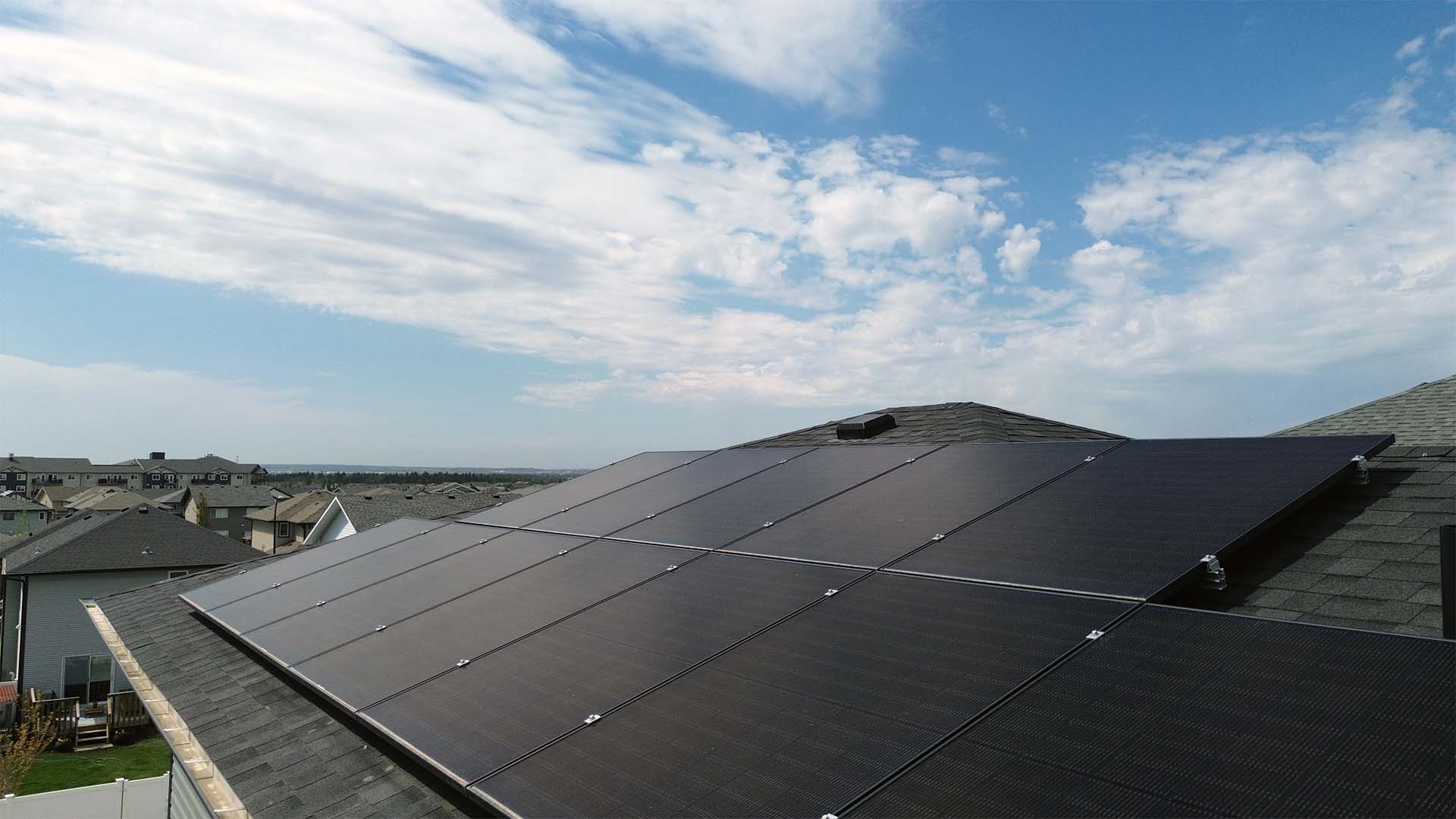
In Alberta, your system is generally sized around your previous year’s electricity usage. The point of residential micro generation is to cover all or part of the electricity you already use, not to build a system mainly to sell power back to the grid. Some installers may size close to your full annual usage, while others may be more cautious depending on your home, your usage, and the rules they’re working within.
If you don’t use much electricity, your solar system is probably going to be smaller too. That can lead to a longer payback time.
A smaller system can still be a good fit, but smaller systems often cost more per watt to install because a lot of the same labour is still involved. The crew still has to plan the job, install the equipment, handle the wiring, and complete the setup. So even though the system is smaller, the cost doesn’t always shrink as much as people expect.
How Much Of Your Bill Is Extra Fees
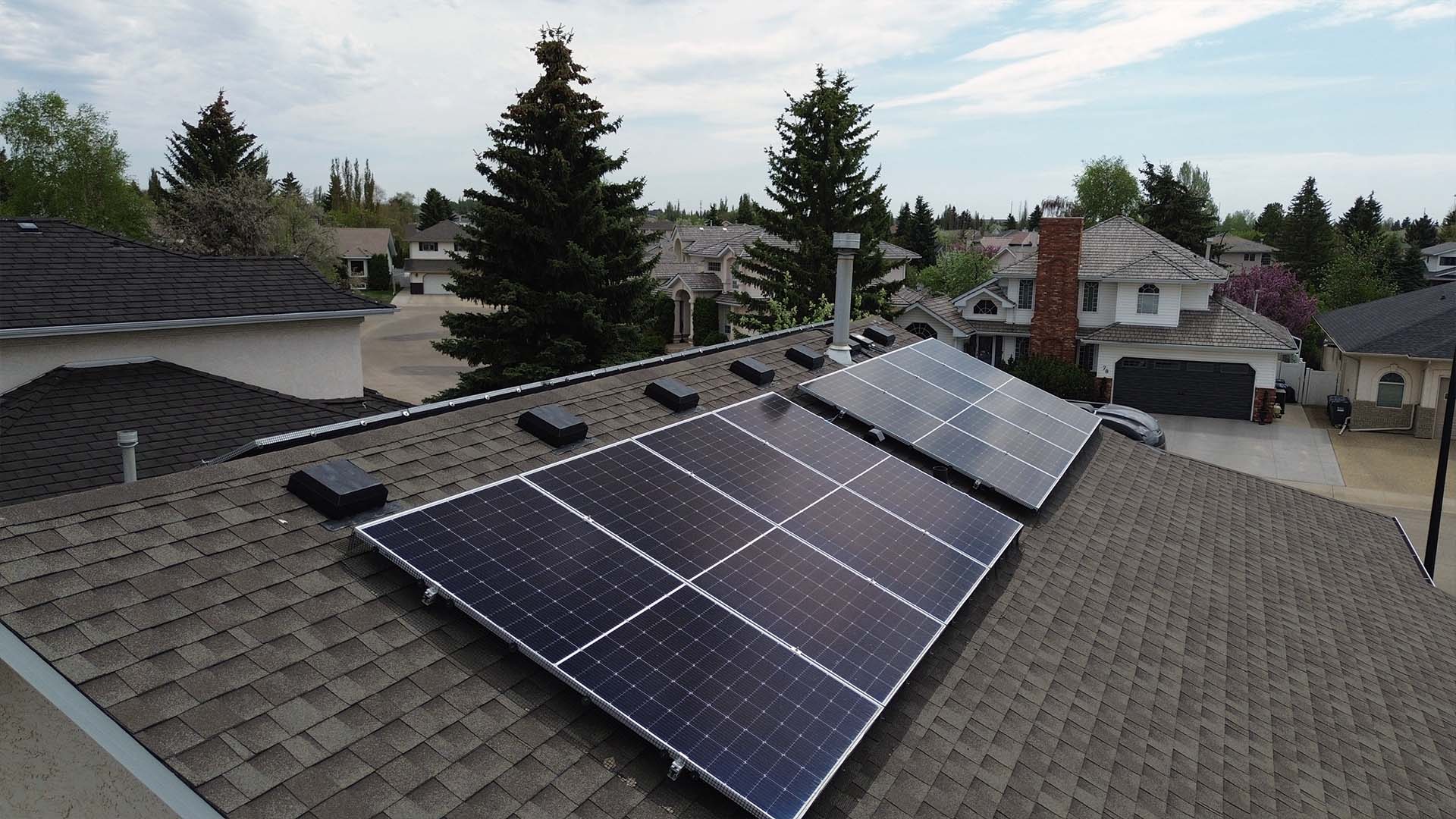
The other challenge with smaller systems is the transmission and distribution fees we all have to pay.
Solar can help reduce the energy part of your bill, but it doesn’t remove every charge. Some fees are based on how much electricity you use, while others are fixed monthly charges that don’t change much, even if you use less power from the grid.
If you use less electricity overall, those fixed charges can make up a bigger part of your bill. That means your solar system may cover a smaller portion of the total bill than you were expecting.
This can be especially true in areas covered by an REA, where your distribution charge may be a flat fee based on your breaker size.
How Much Of Your Usage Does Your System Cover?
Another thing to think about is how much of your annual electricity usage your solar system actually covers.
If your system covers close to 100% of your annual usage, you’ll usually have more opportunity to take advantage of Alberta’s solar programs and rate options, including Solar Club™. These programs can help lower your payback time by giving you more value for the extra power your system sends back to the grid.
If your system covers much less than your annual usage, it may be harder to get the full benefit. You may still save money, but the payback period could be longer.
In some cases, it may be worth waiting until you’re able to install a system that covers more of your annual usage.
Should You Still Get Solar?
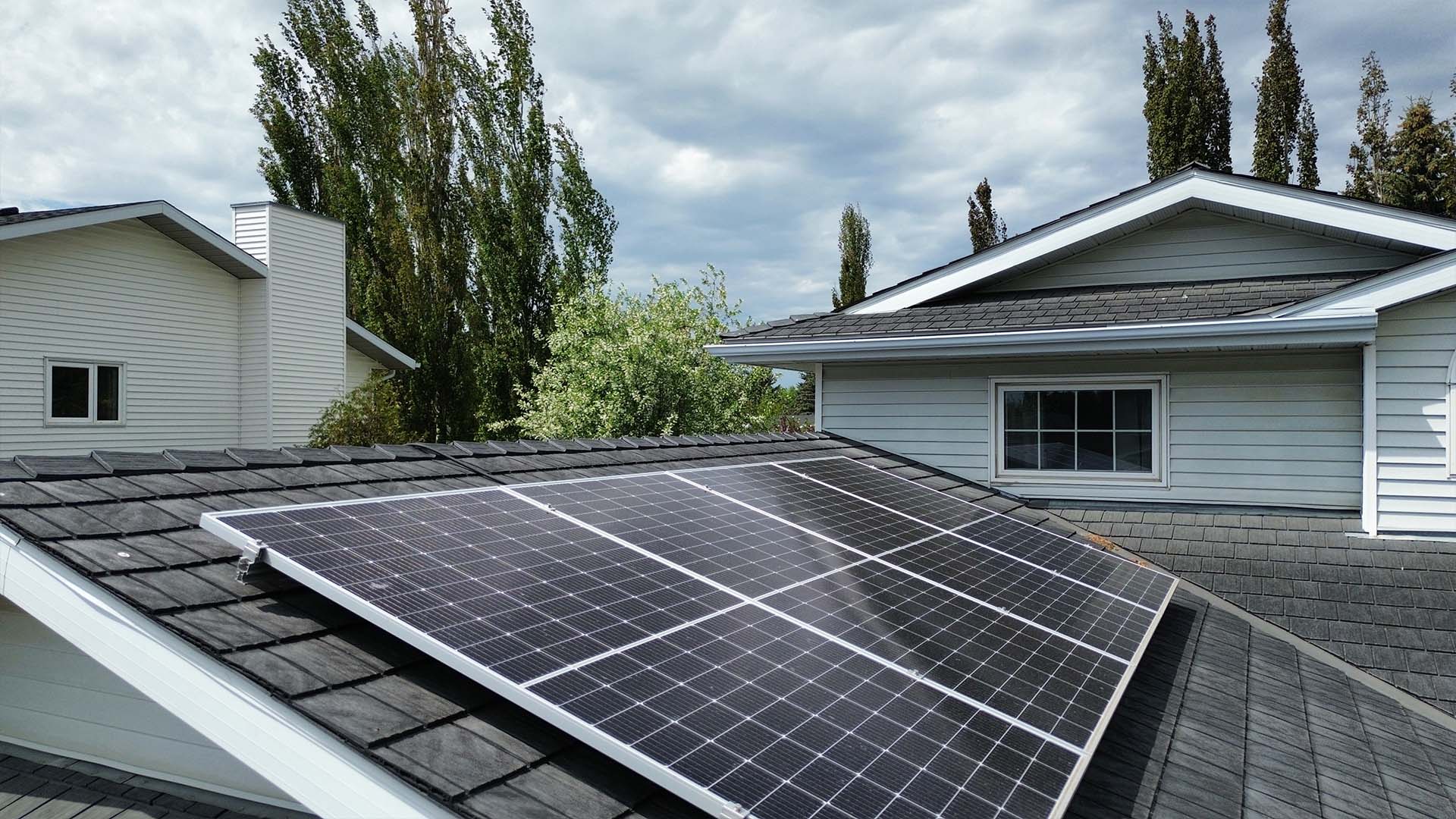
As we said at the start, we think solar can be a great idea.
None of this is meant to say “don’t get solar if any of this applies to you.” It’s more about understanding the numbers before you make the decision.
System size, electricity usage, fixed fees, and annual coverage can all make a difference to your payback period. They’re worth keeping in mind when you’re comparing quotes and deciding whether solar makes sense for your home.
How Does The Solar ClubTM Help?
Regardless of how much electricity you use, Solar Club™ can still help reduce your payback time.
The 35¢/kWh Summer HI Rate™ lets you make the most of our long summer days here in Alberta. When your system produces more electricity than you’re using, that extra power goes back to the grid and you’re credited at the higher rate.
You only want to be on the HI Rate™ when your system is sending more electricity to the grid than you’re using. That’s why Solar Club™ is usually more effective when your system covers most or all of your annual electricity usage.
If your system is much smaller than your usage, Solar Club™ may still help, but the benefit may be smaller. You can still benefit as long as you have at least one month where you’re a net exporter.
As always, we recommend getting at least 3 quotes from reputable solar installers before making a decision. Once you have a contract with your installer, give us a call at (780) 781-4115 and we’ll help you save on your utilities with our discounted Pre-Solar Rate™.
Interested in learning more about Solar or the Solar Club™?
- The Dark Side of Solar: System Size
- Myths and Misconceptions About Solar
- We Were Solar Before It Was Cool
- What Makes Camrose Energy Solar Club Different
- Introducing RateSwitch™
- Thinking About Buying a Home with Solar? Here’s What You Need To Know.
- Finding The Right Solar Panels For Your Home
- What’s the Difference Between String Inverters and Micro-inverters?
- Your Solar System is Installed – Now What?
- Maximize Your Solar Savings: When to Switch to the High Production Rate on with the Solar Club™!