
by Shawn Crowle
At Camrose Energy, we’re big believers in solar—both for what it saves on the monthly bill and for what it saves in greenhouse-gas emissions. Many Solar Club™ members have asked about the Carbon Offset Credit Platform that sits alongside our export rates. Rather than persuade anyone to jump in (or opt out), this post simply lays out how it works, why some people participate, and why others choose not to. After reading, you’ll have the facts you need to decide what feels right for your home or farm.
Carbon Offset Credits in Plain English
A carbon offset credit is a certificate that proves one tonne of carbon-dioxide-equivalent (t CO₂e) never hit the atmosphere. When your rooftop array sends clean power to Alberta’s grid, it displaces electricity that would otherwise come from higher-emission sources. That displacement can be measured, verified, and—if you choose—turned into tradable credits.
How many credits might your system create?
- Roughly one credit for every 2,000 kWh generated; or
- About 0.7 credits per installed kW each year
Every credit carries its own serial number and can be sold once, then “retired,” so there’s no double-counting down the line.
How The Carbon Offset Program Works
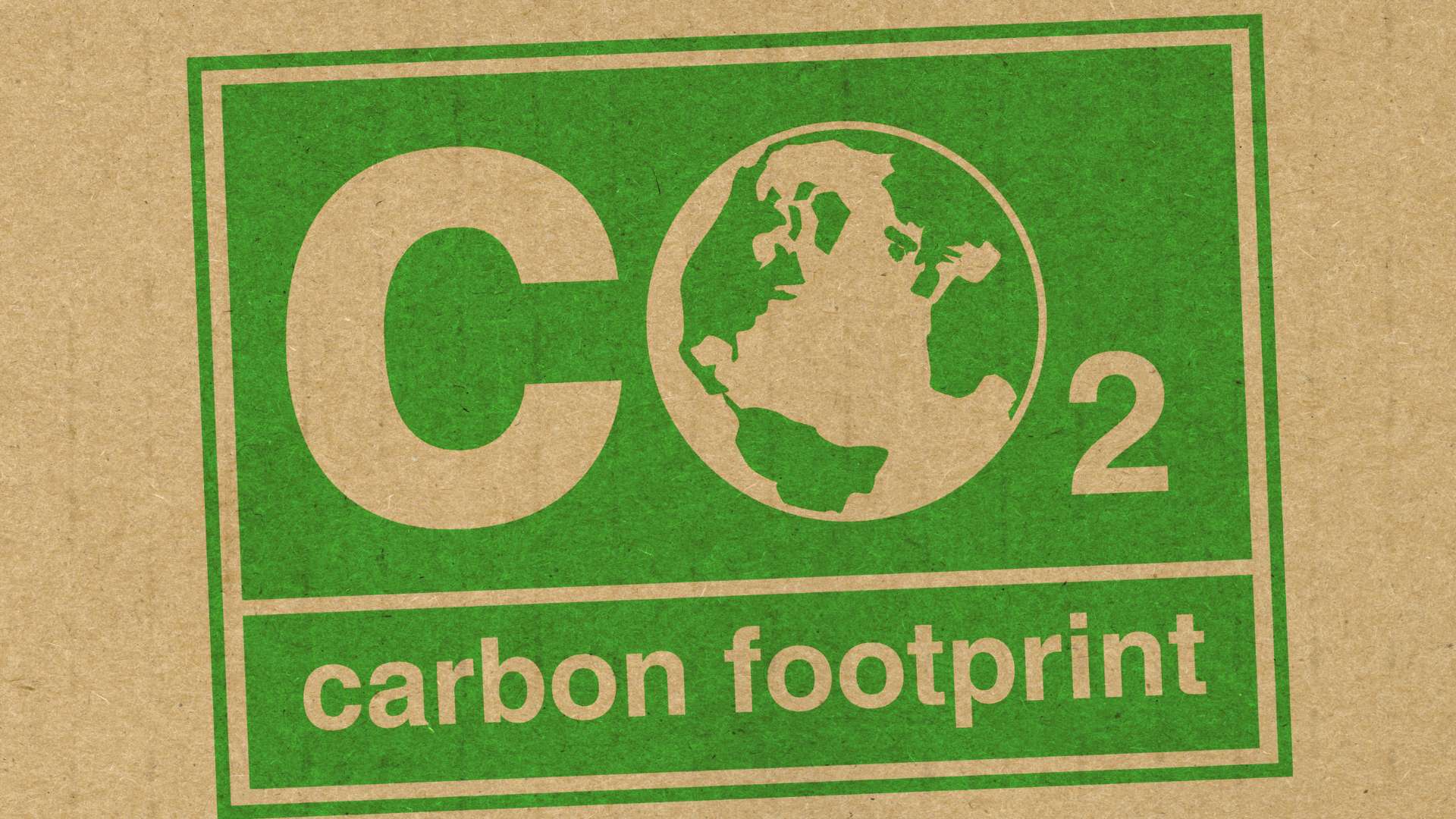
If you decide to explore the program, you begin by selecting an aggregator – for example, Solar Offset, Rewatt Power, or Re(source) Energy. Aggregators handle the heavy lifting: they pull production data, arrange for third-party verification to international standards, and register your project in Alberta’s Emission Offset System. Once your credits are created, the aggregator bundles and sells them on Alberta’s open market, then passes the proceeds (minus its commission) back to you. Payments usually arrive a couple of months after each sale.
Eligibility at a Glance: Your system needs to be grid-tied in Alberta and energized after January 2, 2012. Any grants or incentives you accepted must specifically allow carbon-credit sales—some don’t—so it’s worth double-checking the fine print. Last, you’ll be signing up for a ten-year reporting commitment, because the province requires ongoing tracking for every registered project.
Weighing The Pros and Cons
- On the positive side, selling credits can add a modest revenue stream that shortens the payback period of a solar installation. Because Alberta’s carbon price is scheduled to climb steadily through 2030, the underlying value of each credit is likely to rise as well. Registering now also locks in today’s grid-emission factor, so the amount of CO₂e your array displaces—and therefore the number of credits it earns—won’t shrink even as the grid gradually gets cleaner.
- The flip side is just as real. Companies that buy offsets can use them to meet regulatory targets without cutting their own emissions right away, and some solar owners would rather keep their environmental benefit “at home” than see it transferred elsewhere. Commissions and administrative fees reduce the payout, reporting requirements last a full decade, and you can’t simultaneously claim Renewable Energy Certificates while you’re under contract. If your array received certain grants or rebates, selling credits may not be permitted at all.
Balancing Wallet & Worldview
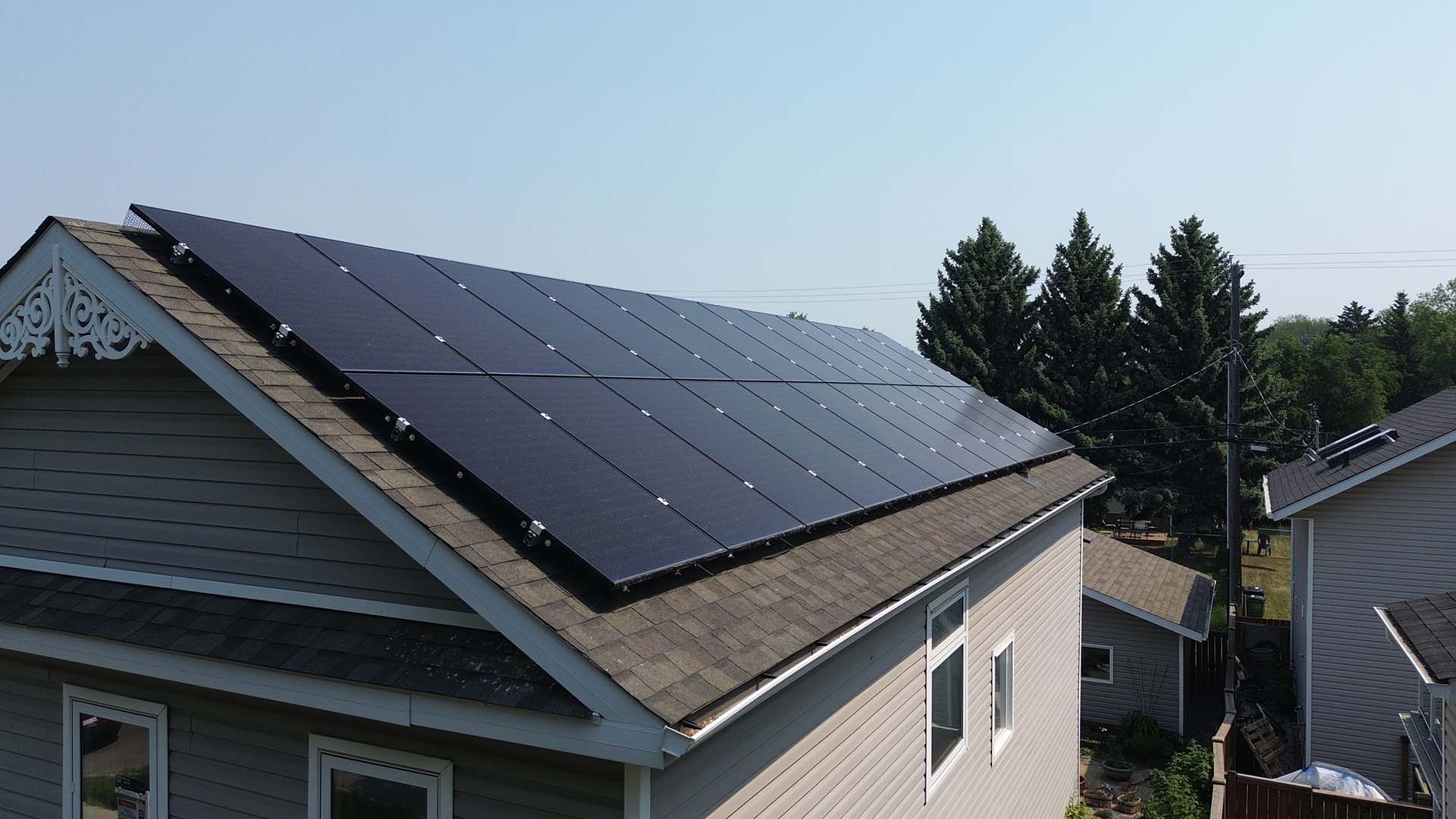
Over time, we’ve noticed two broad perspectives among Alberta micro-generators. Some owners are driven primarily by the economics of solar; for them, every legitimate income stream—including carbon credits—feels like smart stewardship of a household investment. Others came to solar chiefly for environmental reasons and prefer to keep complete ownership of the emissions reduction their panels provide. Both viewpoints are valid, and many people find themselves somewhere in between, weighing financial benefit against personal values.
Questions To Ponder Before You Decide
If you’re unsure which path suits you, ask yourself: Do I want to monetize my array’s environmental impact, or would I rather keep that climate benefit attached to my home or farm? Am I comfortable with a ten-year contract that involves annual data verification? Will the after-fee returns still meet my expectations, and have I checked whether any grants I used place limits on credit sales? Finally, am I okay forgoing Renewable Energy Certificates during the term of the agreement.
Where To Learn More
The detailed Carbon Offset Credit FAQ on our website answers practical questions about pricing formulas, meter reads, payout schedules, and more. Alberta’s Emission Offset System pages provide the regulatory backdrop, and the federal government’s carbon-price schedule shows where credit values may head in the coming years.
Of course, you can always give us a call at 780-781-4115. We’re happy to talk through the nuances – no pressure, just straight answers—so you can make the choice that feels right for you, your finances, and the future you want to build.